Redefining the marital knot
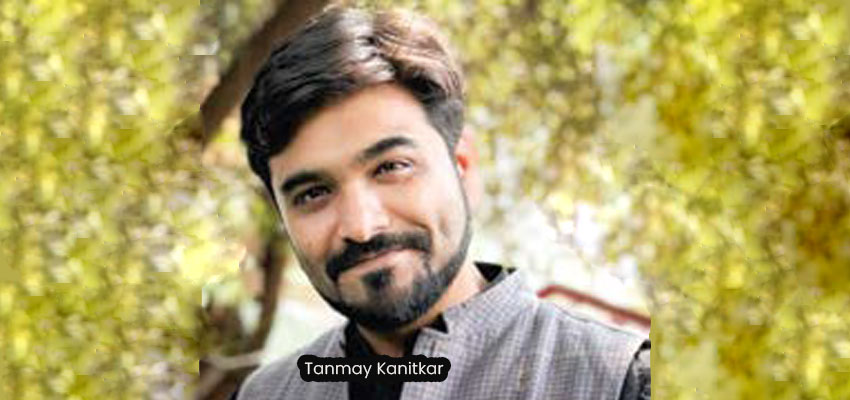
Tanmay Kanitkar, co-founder, Anuroop Wiwaha Sanstha, Maharashtra’s popular marriage bureau, provides a bright scenario of the marriage market of the Gen Z, which is often looked by earlier generations as a declined institution. An insight…
Tanmay Kanitkar, who has spent years observing how different generations approach the institution of marriage, believes that no generation has brought as much transformation to the matchmaking ecosystem as Gen Z. For him, the most defining shift is the transfer of control from parents to the candidates themselves. While older generations largely relied on parents to initiate and manage the entire process, Kanitkar notes that this pattern has virtually disappeared in the urban Gen Z landscape.
Evolving gender roles
Another fundamental shift that Kanitkar identifies lies in Gen Z’s understanding of gender roles within marriage. He sees this generation as more clarity-driven and less conflicted than millennials, who grew up absorbing traditional expectations at home while being exposed to modern values outside.
Gen Z, on the other hand, he says, has witnessed changing gender norms throughout their upbringing, which has shaped their beliefs more organically. He adds that they reject the rigid templates of the past where women were expected to manage home and children while men assumed the role of sole breadwinner. According to Kanitkar, Gen Z expects shared responsibilities—financial, domestic and emotional.
Tradition + modernity
While Gen Z brings a modern mindset to the table, Kanitkar observes that they continue to operate within a framework that blends tradition with contemporary values. "The traditional expectations often originate from parents, especially concerning religion, language, culture, family values and financial stability. Although caste-based preferences have diminished significantly, they have not vanished completely. Alongside these conventional expectations, Gen Z introduces a new layer of personal criteria shaped by lifestyle choices. Their preferences include hobbies, interests, travel habits, music tastes and how they wish to spend their free time. These aspects, once considered peripheral, now play a decisive role in defining long-term compatibility," said Kanitkar.
Notably, Kanitkar points out that concerns about a woman’s salary are rarely an issue for Gen Z themselves, even though parents may sometimes remain attached to older ways of thinking.
Rising marriage age
Kanitkar’s database at Anuroop reveals a noticeable rise in the average marriage age among urban, middle-class and educated individuals. Men now typically marry around the age of thirty-one, while women marry around twenty-nine. The shift, he explains, is linked to career commitments, personal growth and a desire to achieve individual stability before making a lifelong commitment. "Gen Z views marriage not as a default milestone but as a conscious decision taken after achieving clarity in career and selfidentity. This, he believes, contributes to more mature and thoughtful partnerships," he said.
Changing divorce outlook
One of the more striking patterns Kanitkar has witnessed is the rise in divorces in urban India. He attributes this to a combination of heightened expectations, lower tolerance for incompatibility and the increasing willingness to leave unfulfilling relationships. However, he also highlights a parallel and hopeful development: remarriages are rising too.
Divorced individuals are far more confident about seeking second marriages, and Gen Z's potential brides and bride grooms display little hesitation in considering divorced partners. For Kanitkar, this indicates that despite the increase in marital breakdowns, the faith in the institution of marriage remains strong. The desire for companionship endures, and people show resilience in rebuilding their lives.
Need for new skills
Reflecting on the broader trajectory of marriage in the twenty-first century, Kanitkar believes that successful relationships today require skills that earlier generations were not encouraged to cultivate. Marriage now needs to be customised rather than drawn from traditional rulebooks. Couples must define their own expectations, boundaries and relationship structure. This requires open communication, introspection and a willingness to negotiate—not in a transactional sense, but in the spirit of finding common ground.
A redefined institution
In Kanitkar’s assessment, Gen Z is not rejecting marriage; rather, they are redefining it. They approach it with realism, self-awareness and optimism. They seek equality, compatibility and shared vision. Their choices reflect both independence and a deep desire for meaningful partnership. As Kanitkar continues to guide young adults through this evolving landscape, he sees Gen Z a generation that is not abandoning tradition but reshaping it in ways that make marriage more balanced, compassionate and relevant than ever before.