Inside Gen Zs work mindset
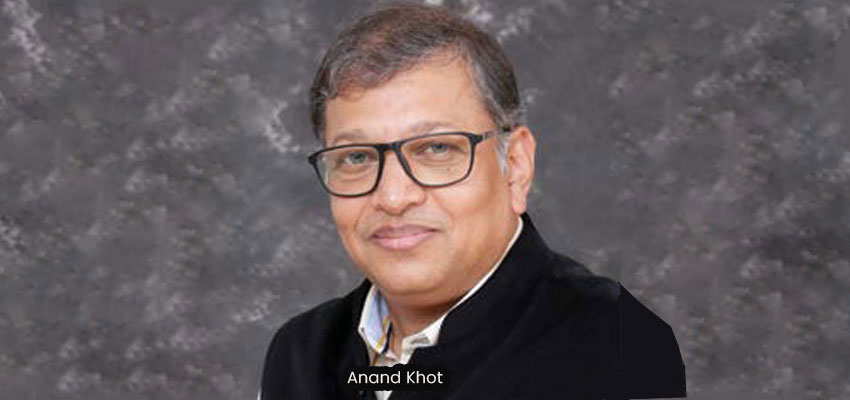
When Anand Khot, Director at Production Modeling India Pvt. Ltd. talks about Gen Z, he sounds curious. Having worked in the HR domain for over two decades, he has watched millennials grow into leaders, baby boomers retire, and now a whole new generation step in with their own style
Today, as Gen Z steps into offices, Anand Khot sees a generation that is confident, tech-savvy, and capable of making a tremendous impact. While hiring Gen Z he looks for curiosity, willingness to learn, and understanding how their work connects to the bigger picture. “When they have their own purpose clearly articulated in their mind, it should align with the company’s purpose so that the sense of satisfaction and accomplishment benefits all parties,” he says.
Compared to millennials, Gen Zs have a stronger relationship with technology—Khot calls them 'Born on cloud'. "While millennials adapted to it, Gen Z grew up with it. They are comfortable with technology from day one. This makes them confident and fast learners, but it also contributes to higher expectations," he says.
The quick-resignation trend

Confidence, says Khot, can also be seen in how they approach the workplace—many leave jobs quickly if culture or leadership does not match their expectations. But Khot also urges Gen Zs to keep patience. "Organisations are complex, and employees benefit from taking the time to understand the bigger picture before deciding to move on. Most of the time, the reactions are quick and based on anecdotal experiences they have had,” he opines.
But, what are Gen Zs really looking for at the workplace? Gen Zs, as Khot answers, look for clarity and transparency in their work. "They can handle ambiguity, but they do not tolerate excuses disguised as ambiguity. As this generation follows global leaders, they also bring broader perspective than previous generations. Access to global information and ideas means they think beyond local norms and can contribute creative solutions across teams,” he explains.
On-site, hybrid or remote?
Work models matter to them, but honesty matters more. Many Gen Zs, says Khot, like hybrid work mode—hybrid work is ideal, but roles that require on-site presence must be communicated clearly. “If expectations are mismatched, young employees feel let down and leave quickly. At the present, Gen Zs have got a volume of opportunities—freelancing, higher studies, startups and side projects. Staying in a job is not anymore the only path," points out Khot.
The leadership style
Will Gen Z lead differently? Khot thinks so. "Gen Z has the capability to look at the bigger picture. They have worked with people with diverse thinking, and they will bring that experience in their leadership style," says Khot. Today, he informs, companies need the kind of leadership values Gen Zs carry. “The sense of entitlement, as compared to millennials, is stronger in Gen Z. They are a bit more direct when it comes to providing feedback, they have willingness to take corrective actions, they accept the failure, they have the ability to network with diverse individuals and take risks as and when required,” he says.
When asked do Gen Zs take failures as opportunities to improvise and bounce back quickly? Khot was quick to explain, "Mental health and emotional well-being also hold great significance for them. They are aware that they are responsible for their well-being and will take action themselves if they don’t find emotional support.”
Money matters
The real question is: Are companies keeping up with the new-age expectation of better starting pay? In a typical employer-employee relationship, says Khot, "Gen Zs would expect substantial or respectable compensation—a premium compensation as compared to industry average. But not all Gen Z deserve that because eventually companies are going to see the value and the ROI, the Gen Z is going to bring. If there are folks who can bring that ROI, companies are willing to go out of the way in meeting their expectations."
He adds,"Gen Zs are ambitious, if they see the potential of growth with respect to fulfilling their career goals or satisfying their financial aspirations and lifestyle, it might change over a period.” Khot sees Gen Z as a group shaping work on their terms. “They are the future. Workplaces will evolve with them,” he concludes.