Flavour and Food for Thought
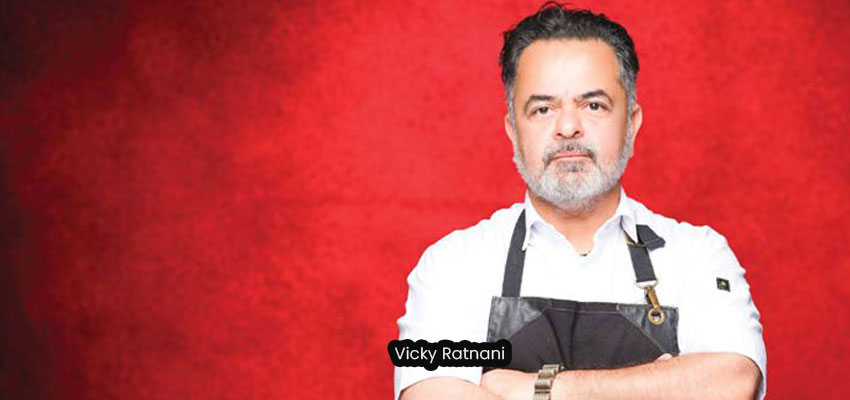
He is outspoken, adventurous in the kitchen and has travelled the world in pursuit of culinary mastery. All this, and he is still true to his roots. Meet chef Vicky Ratnani – who wears many hats – he’s an author, celebrity chef, culinary consultant, founder of Speak Burgers and The Gourmet Gyan Studio. He became a household name over the years with his cooking skills and shows called Vickypedia and Vicky Goes Veg. In a candid conversation with Corporate Citizen, he opens up about his life, his culinary journey, his entrepreneurial ventures, the rise of chefs on social media and much more
Corporate Citizen: Over the years, you’ve become a household name in India and internationally. What do you make of this success?
Chef Vicky Ratnani: After so many years in the food industry, I’ve come to realise that cooking isn’t about fame or perfection – it is about joy and contentment. I honestly don’t know if I’ve become a household name, nor do I measure success in that sense. For me, success is far more intimate. I know that food has the power to touch people’s heart and transform lives. And, if I’ve managed to do so through my cooking or if a dish I created has brought someone comfort or happiness, then I feel I’ve truly won in life.
CC: Tell us a bit about yourself.
I was born and raised in Mumbai. I studied in Bombay Scottish School. My love for food started early—not cooking but eating and enjoying food. Growing up in a Catholic school with Scottish influence, surrounded by Gujaratis and Maharashtrians, I was exposed to diverse cultures and cuisines. My parents were broad-minded, and I knew everyone’s food menus.
My dad was a successful businessman, but that wasn’t for us. My brother, Dabboo Ratnani, became a photographer, and I chose food. In those days, the idea of being a chef wasn’t glamorous. Kitchens were hidden in the back, considered dirty, not like today where chefs are the ambassadors of restaurants. But, I chose to live through it.
CC: I’m sure as a school kid you must have had great gastronomical experience of different cuisines. Do you remember your tiffin days?
Absolutely. My bench partner was a Parsi, and his mother would pack him these wonderfully offbeat sandwiches – they truly were lip-smacking. He is outspoken, adventurous in the kitchen and has travelled the world in pursuit of culinary mastery. All this, and he is still true to his roots. Meet chef Vicky Ratnani – who wears many hats – he’s an author, celebrity chef, culinary consultant, founder of Speak Burgers and The Gourmet Gyan Studio. He became a household name over the years with his cooking skills and shows called Vickypedia and Vicky Goes Veg. In a candid conversation with Corporate Citizen, he opens up about his life, his culinary journey, his entrepreneurial ventures, the rise of chefs on social media and much more By Ekta Katti Flavour and Food for Thought Vicky Ratnani FOODPRENEUR JANUARY 2026 CORPORATE CITIZEN 63 Imagine being a ten-year-old and discovering such yummy food in your friend’s lunch box. Around me there were omelette pavs, Dhokla, Poha, Luchi (a deep fried puffy flatbread)—my mouth still water thinking about it. Our school was a melting pot filled with Bengalis, Maharashtrians, Catholics, Muslims, and the tiffin box was our first real cultural exchange programme. By sharing food, I was tasting the diversity of India, long before I ever set foot in a professional kitchen.
CC: Did your mom influence your cooking?
My mom was a pure vegetarian who married into a non-vegetarian family. When we moved away from our joint family, she had no choice but to learn non-veg. Our neighbour who was a lady conducted cooking classes, taught her. So, most of our non-veg food had Mughlai influences. Mom truly was a lovely cook.
CC: What Indian dish connects you to your roots?
Sindhi Kadhi. A true chef is one who can cook simple food in the finest form.
CC: Was there one dish that confirmed your decision to be a chef?
Yes, Lasagna Bolognese. It wasn’t part of our syllabus, but my mentor gave it as an assignment. I recreated the authentic Emilia-Romagna Lasagna, a northern Italian style lasagna. That challenge confirmed my career path.
"Don’t just wear the chef hat to become famous. This field is taxing, hard and pushes you to lead an antisocial life where you often lose your own happiness while making others happy. Become a chef only if you’re crazy enough to love it."
— Vicky Ratnani
CC: Do you think Mumbai shaped your food journey?
Definitely. Mumbai gave me exposure to all kinds of food - Parsi, Maharashtrian, Gujarati, Catholic, Sindhi, South Indian, and of course street food like pani puri, sev puri, kebabs, vada pav. Travelling later added more, but the foundation was laid in Mumbai.
CC: You worked on cruises for many years. How was that experience?
After training at the Taj and The Leela, I joined the cruise lines—that chapter lasted nearly two decades. During which, I worked alongside colleagues from 37 nationalities, circled the globe seven times, picked up three languages, and wandered through food markets in every corner of the world. On board, food wasn’t just for nutrition, it was an identity, comfort and culture, all served on a plate. That experience didn’t just sharpen my skills, it shaped my very being as a chef. To this day, I consider those years one of the greatest classrooms of my life.
CC: After so much exposure to Western cuisine, how did you stay rooted in Indian food?
When I came back, I was running Aurus (a European restaurant) in Juhu. NDTV spotted me, and that’s how I landed my first show Do It Sweet. Later, Vicky Goes Veg was born because India needed someone doing cool vegetarian food. That kept me rooted while also giving me visibility.
CC: Today, you also run restaurants like Omny Kitchen and Speak Burgers. How do you balance being a chef and entrepreneur?
The food industry is quite demanding, but I have partnered with trusted confidants who handle the operations, while I wear the chef ’s hat. Juggling between both roles has become easier over time, knowing that I’m surrounded by people I can trust. And, in the end, when you love what you do, it doesn’t take a toll on you.
CC: Indian cuisine is trending worldwide. Why?
Earlier, Indian food abroad was often seen as cheap hangover food served in foil boxes. But over time, thanks to its rich flavours, diverse textures, and wide range of dishes, Indian cuisine has begun to earn the global recognition it truly deserves, making it aspirational. Today, our food is celebrated to the extent that there are Michelinstarred Indian restaurants where meals can cost up to $1,000. It feels wonderful to see the respect and admiration our chefs receive. Indian food is truly making its mark on the global stage.
CC: What’s your take on social media chefs and fusion trends?
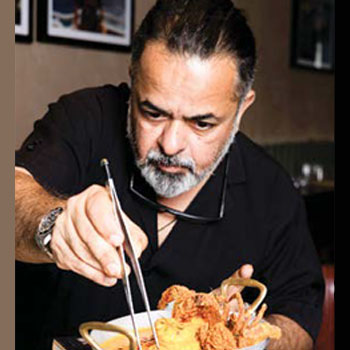
Showcasing cooking skills on social media has indeed become the latest trend. Unfortunately, brands sometimes chase follower counts over real talent, and that bothers me. Experimenting with fusion food is perfectly fine, but one must truly understand both cuisines to do it justice. Otherwise, it becomes a joke. Authenticity matters more.
QUICK BITES
Your cooking style in three words:
Meditative, intoxicating, delicious
Last thing you googled about food?
Ancient influences in the Sindhi diaspora
If not a chef?
I’d be DJ earlier, now maybe a food filmmaker
Always in your fridge:
Cheese
Celebrity you’d like to cook for:
Our Prime Minister Narendra Modi
Favourite street food:
Vada pav
Most annoying trend:
Everything with caviar
One dish you’ll never get tired of:
Sindhi Biryani
Favourite herb:
Favourite herb:
Cooking evokes:
Pure joy
CC: What advice would you give students aspiring to be chefs?
They should know the basics of cooking thoroughly. If your foundation is strong, you can easily rise to success. Don’t just wear the chef hat to become famous. This field is taxing, hard and pushes you to lead an antisocial life where you often lose your own happiness while making others happy. Become a chef only if you’re crazy enough to love it.