Hearts and Hope: A new book chronicles India's transplant stories
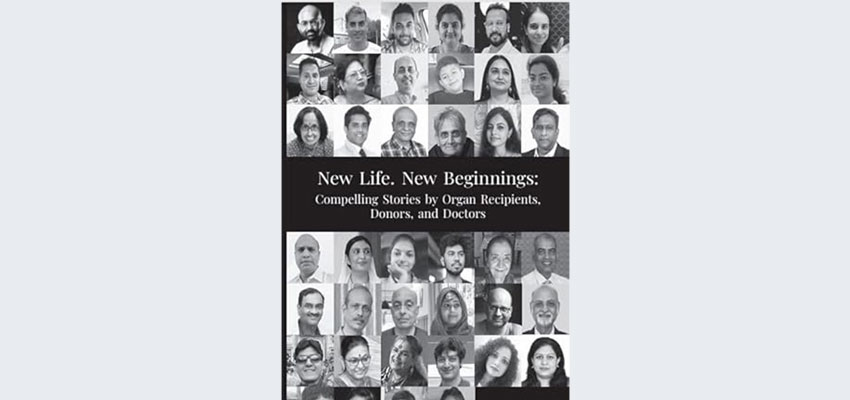
Dr. Viney Kirpal's New Life, New Beginnings: Compelling Stories by Organ Recipients, Donors, and Doctors, offers an unflinching look at organ donation through the eyes of those who lived it. India's transplant community has found its chronicler, and the timing couldn't be better. The Ministry of Health and Family Welfare has begun implementing reforms to strengthen the transplant system, including plans to upgrade hospital facilities and expand transplant centres. This is essential reading for anyone touched by organ transplantation, whether as patients, families or concerned citizens
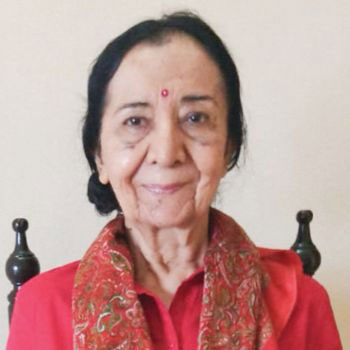
When Dr. Viney Kirpal, former Professor of English at IIT Bombay, began collecting stories for her book New Life, New Beginnings, she wasn't just researching a medical topic, she was documenting her own survival.
At 69, Kirpal underwent a heart transplant after cancer treatments had quietly damaged her cardiovascular system. The experience left her fielding well-meaning but misguided questions from friends and strangers alike. "People ask me about stents or how my heart is doing," she explains. "I have to tell them that I don't have stents. My heart is completely healthy because it's not diseased anymore."
This personal journey forms the backbone of a book that brings together 27 voices from across India's transplant community. Recipients, donors, doctors and caregivers, share their experiences in what amounts to one of the most comprehensive examinations of organ transplantation in the Indian context.
The stories cover the full spectrum of transplant medicine. Kidney recipients describe the freedom from dialysis machines. Liver transplant patients talk about getting their lives back after years of illness. Heart recipients like Kirpal, detail the strange reality of living with someone else's organ beating in their chest. Equally poignant are accounts by lung recipients like Shomil Shah, who credit their every breath to receiving the perfect fit in time, on his 34th birthday, no less. In his words, “My future is no longer a distant dream but a tangible reality.” Within a year of the transplant, he married the girl who had stood by him through it all. Equally heartwarming is the story of Hemalatha Rao, born with a hole in her heart, whose body began to betray her bit by bit over the years. At 16, activities such as cycling and climbing stairs became harder. Over the years, other health challenges made it clear that a heart and double lung transplant was her only hope for survival. The wait was agonising and became a reality for her, only at the age of 46. But, the book goes beyond individual narratives. Kirpal uses these personal accounts to highlight systemic problems that plague India's transplant infrastructure. The lack of insurance coverage pushes families into a corner. Government support remains inadequate, leaving patients to navigate complex medical and bureaucratic systems largely on their own.
"The government has essentially handed off its responsibilities," Kirpal notes, pointing to gaps in everything from post-transplant medication support to basic recipient and patient education, and post-transplant management.
The financial burden emerges as a constant theme throughout the stories. Indian families regularly exhaust their savings, sell property, or take on crushing debts to fund transplant procedures. Some donors are family members making the ultimate sacrifice to save a loved one.
Despite these challenges, the book maintains an optimistic tone. Recipients describe returning to work, travelling, and resuming activities they thought they'd lost forever. Many become advocates for organ donation, using their experiences to encourage others to register as donors, or helping new recipients navigate their journey confidently.
The medical professionals interviewed for the book, paint a picture of a field that has advanced rapidly in recent years. Transplant success rates have improved significantly, and new techniques are making procedures safer and more accessible through free healthcare.
"Every corporate has the capacity to save lives—by amplifying awareness, supporting preventive health, and making transplants less of a privilege and more of a possibility. In enabling this, they reaffirm what business at its best stands for—sustaining life, community and hope"
CORPORATE CITIZEN REVIEW
Kirpal has crafted a work that succeeds at multiple levels. As a patient advocate, she gives voice to experiences that rarely make it into public discourse. As a writer, she translates complex procedures into accessible language without losing scientific accuracy. Most importantly, as a transplant recipient herself, she brings authenticity to every page. The book doesn't shy away from difficult realities but manages to remain hopeful throughout. India's transplant community has found its chronicler, and the timing couldn't be better.
The Ministry of Health and Family Welfare has begun implementing reforms to strengthen the transplant system, including plans to upgrade hospital facilities and expand transplant centres. Making procedures more affordable remains a key priority.
This is essential reading for anyone touched by organ transplantation, whether as patients, families or concerned citizens.
The fact that Kirpal manages to strike a fine balance between explaining complex medical procedures and capturing the human drama of transplant medicine, is a triumph worth mentioning.
For readers considering organ donation or facing transplant decisions, the book offers practical guidance alongside its personal stories. It addresses common misconceptions about donor health risks and recipient survival rates, providing information that could prove valuable for patients and families navigating these difficult decisions.
In short, New Life, New Beginnings is not just another medical memoir; it's a call to action for policymakers, medical professionals and ordinary citizens to recognise organ transplantation as both a medical miracle and a social responsibility.
The book makes a compelling case that transplant medicine has reached a turning point in India. With proper support systems, financial assistance, and public awareness, many more lives could be saved. The 27 stories Kirpal has assembled serve as evidence of what's possible when medicine, courage, and human compassion align.
For a country grappling with healthcare challenges across multiple fronts, this book offers both inspiration and a practical roadmap forward. The voices within its pages have survived some of medicine's most complex procedures. Their stories suggest that with the right policies and support systems, many others could follow in their footsteps.
Also present at the book launch in Pune, were Dr. Suresh Rao, Associate Director and Chief Intensive care, Heart and Lung Transplant Department, MGM Hospital, Chennai as the chief guest, and Dr. Sundar Sankaran, leading nephrologist and Programme Director, Aster Hospital, Bengaluru as the guest of honour. The presence of 13 multi-organ recipients, their families, two living donors and other wellwishers added to the occasion.
However, demand still far outstrips supply. India faces a chronic shortage of donor organs, particularly from deceased donors. Cultural and religious concerns about organ donation persist, despite efforts by medical professionals and advocacy groups to increase awareness
Shout-out to corporates
As Viney Kirpal says, “Corporates can play a transformative role in carrying this message forward. By sponsoring bulk copies for transplant hospitals, donors and recipients, companies can honour those who give and receive the ‘gift of life’. By hosting talks, awareness sessions, and organ donation contests in offices, they can inspire employees to pledge organs and embrace healthier lifestyles and reduce transplant needs in the first place.
- Publisher: Sterling Publishers Pvt. Ltd.
- Pages: 280
- Publication year: 2025
- Price:₹ 495 (Paperback)
CSR can go further - funding diagnostic support for living donors, extending insurance coverage to transplant recipients, and partnering with hospitals and NGOs for pledge drives and awareness contests. Companies can sponsor translations of the book, create digital access for wider reach, and invite recipients to speak to their employees about the transplant experience, and the need for organ donation.
These actions are not just philanthropy; they resonate with employees, enhance wellness, and build enduring goodwill in society. Every corporate has the capacity to save lives—by amplifying awareness, supporting preventive health, and making transplants less of a privilege and more of a possibility. In enabling this, they reaffirm what business at its best stands for—sustaining life, community and hope.”