Making every Drop Count
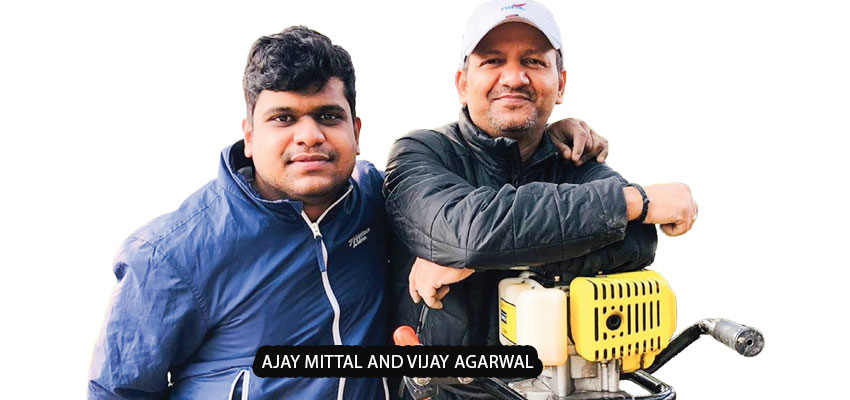
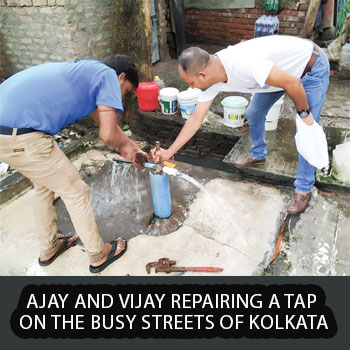
It all began with a tap—a single, leaking roadside tap near a school in Kolkata. While most people might have hurried past, Vijay Agarwal stopped. He watched water spilling onto the ground, his heart sinking at the water waste in a city already under stress. Instead of shrugging and moving on, he called his friend Ajay Mittal. Together, they hired a plumber and repaired the leak. That one small act sparked a movement
I tell communities that wasting water drains your wealth. It’s more relatable than statistics and actually motivates behaviour change
The journey of ‘Fix It For Life’ began with something beautifully ordinary—the school run. Vijay Agarwal noticed the tap, leaking relentlessly as he dropped off his son. “It was just water to most, but I felt every drop,” he recalls. That quiet moment became a seed of action.
Vijay who runs a travel company reached out to his friend Ajay Mittal, whose history with social causes meant he understood immediately. Ajay had been volunteering in Kolkata, working on initiatives from air pollution to education. “The climate crisis magnifies every other social challenge,” he says. Together, they decided to repair the tap.
It was the first of many, but also their first lesson. “Even simple, tangible actions can inspire change. The satisfaction of seeing the water leak stop, combined with the knowledge it mattered, was surprisingly powerful,” he says.
'Fix It For Life' initiative
What started as a single repair soon became a ritual. Weekend mornings saw the duo riding through Kolkata’s narrow lanes, armed with plumbing tools, fixing taps wherever they were needed. Over time, they realised people weren’t just observing, they were participating. Communities began sending locations, asking for help or even joining them on drives.
Ajay an independent consultant in the sustainability space reflects on their philosophy “Resources are limited. If we misuse them, we steal from someone else. Mindfulness isn’t just a concept, it’s a responsibility”. This simple ethos drives their work.
The initiative stands out for its accessibility. Unlike large-scale projects needing significant funding, 'Fix It For Life' thrives on simplicity. A plumber, some tools, community involvement, and the determination to act—these are the ingredients. And of course, occasional stops for local breakfast, an unofficial ritual of celebration after each drive.
Challenges on ground
Repairing over 2,200 taps sounds straightforward, but in reality, it wasn’t. Kolkata’s streets are narrow, winding, and sometimes confusing. Finding the leaks often took longer than fixing them. The duo developed a solution — enlist local help. Communities began identifying clusters of taps in need of repair, making each drive efficient and collaborative.
Even local police stations got involved, sometimes for sharing information about new leaks they helped identify leaking taps and joined a few drives as well. What was initially a logistical challenge, became an opportunity to build trust.
Ajay notes, “The hardest part isn’t the repair itself. It’s about bringing everyone together and making them care. Once you have that, everything else falls into place.
Reactions and ripple effects
How do communities respond when strangers arrive to repair taps? Mostly with surprise and curiosity. Many initially assumed Ajay and Vijay were municipal workers. Others were sceptical, wondering about the motive. Over time, reactions shifted toward admiration and participation. Elders offered blessings, children asked questions, and neighbours started volunteering.
Vijay shares, “This was never about recognition. It was about creating awareness—showing that a small action can have a meaningful impact.” And, it worked. Some locals began fixing taps on their own, and organisations began replicating the model. The ripple effect continues to expand.
Beyond tap repairs
'Fix It For Life' isn’t just about fixing water leaks, it’s about changing behaviour. Every visit is an opportunity to educate. Ajay and Vijay talk to residents about how much water a single leak can waste. They demonstrate practical ways to reduce usage and reuse water.
“The goal is subtle. It’s not about lectures or scaring people with statistics. It’s about making them aware in a way that they connect with personally,” Ajay explains. Over time, communities began adopting mindful practices— closing taps properly, reporting leaks promptly, and reusing water for gardens.
India’s water dilemma
Despite existing programmes, Ajay believes India still lacks urgency and accountability. Millions walk miles to fetch water, while urban cities waste it casually. “When we waste water, it’s almost a form of violence. We are taking from those who need it desperately,” he shares.
For him, the solution requires a two-pronged approach: policy enforcement and community awareness. “Both are essential. Without urgency and accountability, even the best programmes fail. And, without people understanding the value of water, policies alone won’t save a drop.”
Three steps for individuals
Ajay encourages people to start small. First, conduct a ‘mindful audit’ of your water usage for a day. Observe how much is wasted unknowingly. Second, fix leaks and adopt water efficient technologies. Third, reuse water wherever possible. He stresses a psychological approach. “I tell communities that wasting water drains your wealth. It’s more relatable than statistics and actually motivates behaviour change,” he said.
These small steps, repeated consistently, can have a significant cumulative impact.
Advice for young changemakers
Ajay advises youth to focus on the immediate, tangible problems in their surroundings. “Look around. Pick one issue. Don’t wait for big resources or a perfect plan. Act—once you begin, others notice and join. Impact grows naturally.”
He emphasises that meaningful sustainability doesn’t always require grand interventions. Often, addressing simple, overlooked issues produces results far more immediate and visible.
Road ahead
For Ajay and Vijay, the future of 'Fix It For Life' isn’t about metrics or targets. “We still respond whenever someone calls,” Ajay says. Weekend drives continue, though less frequently, and both are now also involved in tree planting and other social projects.
Vijay shares, “There’s no grand mission. The goal is meaning, not scale. Whatever shape the movement takes, it’s meaningful as long as it creates impact and awareness.” The joy of purpose, they believe, outweighs the pressure of expansion.
"This was never about recognition. It was about creating awareness, showing that a small action can have a meaningful impact"
The takeaway

'Fix It For Life' illustrates how ordinary citizens can catalyse extraordinary change. Ajay Mittal and Vijay Agarwal’s story is a reminder that sustainability need not begin with policies or budgets—it begins with awareness, action and community. One tap, one conversation, one small act at a time, can ripple into broader social and environmental consciousness. The initiative is a lesson in empathy, responsibility and mindfulness, proving that change often begins with noticing what others ignore, and having the heart to act.