Algorithm is their Artists and Repertoire
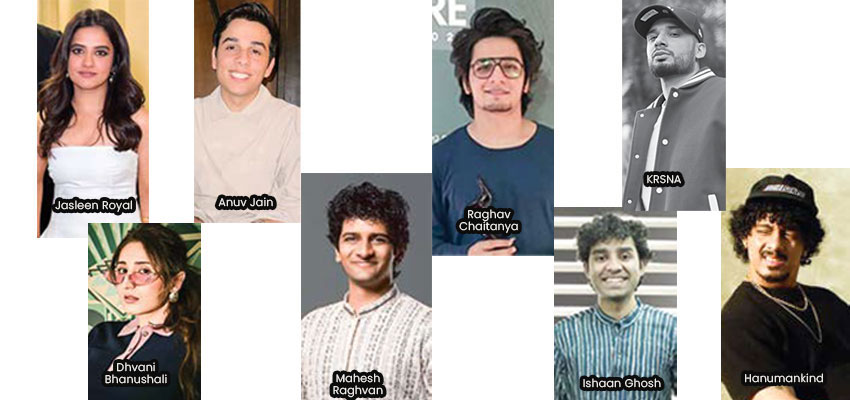
How India’s youngest creators dismantled the traditional music pipeline, built careers from cramped rooms, and forced labels, platforms and even Bollywood, to rewire their playbooks in the age of algorithmic discovery
You don’t need a stage to catch an audience anymore. Across Mumbai hostels, Pune flats and Bengaluru co-living spaces, small clusters of hardware, a second-hand laptop, a battered audio interface, headphones left askew — have become the basic infrastructure of a music career. Producers swap stems on Discord; vocalists send raw takes over WhatsApp; a clip posted at midnight can be repurposed into a social media trend by morning. It’s painstaking, methodical work punctuated by sudden bursts of platform luck. No film megaphone, no radio plug. Just craft, community and the relentless arithmetic of attention or maybe sometimes just sheer luck.
The industry’s old binaries — playback versus indie, studio polish versus bedroom grit — have collapsed. For Gen Z, those distinctions are quaint relics. The mood matters more than the mode. Anuv Jain’s intimate acoustic has the streaming numbers of a mainstream earworm; Jasleen Royal moves from wedding-hall standards to introspective indie with equal credibility. The line between underground and popular is now a high-traffic lane.
What’s changed is distribution and the economics of attention. Where gatekeepers once guarded radio playlists and film soundtracks, algorithms now ration visibility and amplify micro-moments. A viral clip, a clever hook or a ‘reel’ dance can turn a bedroom demo into a national obsession overnight. Hanumankind’s “Big Dawgs” needed a scroll, not a radio campaign; Dhvani Bhanushali’s billion-view runs were built on platform dynamics, not film megaphones. A smartphone plus a 'Spotify for Artists' dashboard can outpace a traditional record deal when attention moves at platform speed.
Musically, Gen Zs are cultural synthesists. Their playlists are global and rooted at once. You might move from KRSNA’s razor-sharp Hindi rap to Mahesh Raghvan’s tech carnatic in a single sitting. Traditional instruments — Tabla, Sarod,Veena — start conversations with synths and drum machines instead of standing politely on the sidelines. Ishaan Ghosh doesn’t dilute tradition by appearing on a techno track; he extends its reach, and younger listeners embrace it without hesitation.
This is a creative economy where authenticity is currency and agility beats pedigree. Artists direct their visuals, cut their own stems and learn ad metrics alongside raga theory. DIY aesthetics feel more credible than glossy production because they signal intention rather than packaging. Those who master both craft and distribution find that a loyal niche audience can outlast the revenue of one blockbuster film song.
It is also a quiet declaration of identity. This generation slips between cultural layers effortlessly — regional, pan-Indian, global — refusing the tidy labels the industry once relied on. Raghav Chaitanya’s Filmfare-winning voice shares the space with bedroom poets whose lyrics feel like notes from a collective digital diary. The result isn’t noise; it’s a wider, deeper digitally viral landscape.
The old gatekeepers haven’t vanished; they’re adjusting. Labels collaborate with creators instead of dictating terms. Film studios stalk streaming charts to find their next playback voice. Playlists are rebuilt, reshuffled and realigned to follow the pulse of younger listeners. The power balance has shifted. Discovery is algorithmic, but the artists who win are still the ones who tell a believable story and show up consistently.
Money follows the same pattern. Micropayments, sync deals, live-stream tips and brand partnerships form a quilt of income streams that make careers viable without the crutch of film soundtracks. This multifaceted revenue model let artists take creative risks without waiting for an industry approval slip.
This isn’t a warm-up act. It is the main stage. The scene hasn’t simply evolved; it has been broken open, rebuilt and broadcasted, one genre-blending track at a time.